Edeka Jensen pilots eyefactive touchscreen kiosk for meat counter orders

25 November 2026 · Independent analysis by the IDE editorial team
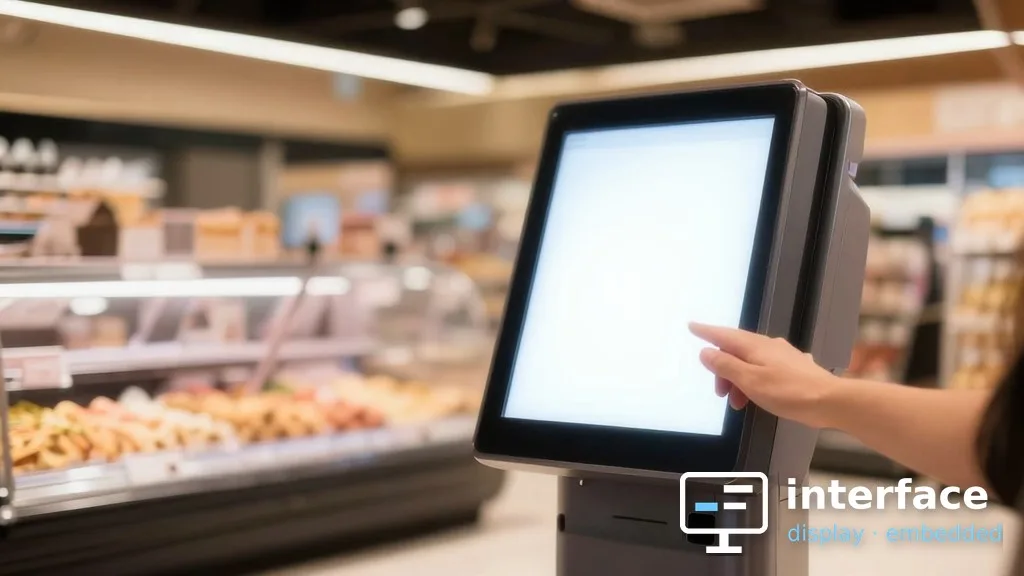
Self-service touchscreen kiosk next to a supermarket meat counter, with a shopper's hand reaching for the screen
Interface, Display & Embedded

Edeka Jensen, a grocery store in Uetersen near Hamburg, has installed an interactive touchscreen kiosk at its meat counter together with software company eyefactive. Retail Customer Experience reports the deployment based on a press release.

According to the release, the pilot went live at the end of 2025 and is the first touchscreen kiosk pilot within Edeka Germany. Its stated goals are a better customer experience and more efficient in-store processes at the point of sale.

How the ordering process works

The hardware is the Polytouch Swift 24 kiosk from Pyramid. It runs eyefactive's no-code touchscreen software platform.

Shoppers use the kiosk to order from the fresh meat counter digitally instead of queuing. After ordering they receive a printed receipt as confirmation. A staff member prepares the order while the customer continues shopping, and the order is collected later at a dedicated pickup point next to the meat counter.

Claimed benefits

According to the press release, the setup noticeably cuts perceived waiting times, including at busy moments when queues form at the counter. The release also says staff gain a structured order workflow, and it credits the kiosk with marketing value for the store. Johannes Ryks of eyefactive GmbH said in the release that the pilot demonstrates how touchscreen kiosks can make retail point-of-sale processes more efficient.

These are vendor statements. The source gives no measured results such as waiting times before and after, order volumes, or how often customers use the kiosk.

What it means for OEMs

For hardware OEMs and system integrators, the most concrete point is the division of roles. Pyramid supplies the kiosk and eyefactive supplies the software. Anyone evaluating similar retail projects will want to know how tightly the software is tied to particular kiosk hardware. This affects second-sourcing options and lifecycle planning.

The source omits many details that matter for design-in. It does not cover the display and touch technology, enclosure ratings for a fresh food environment, cleaning requirements, or how the kiosk connects to the store's existing systems. It also does not say how many units are installed or whether Edeka plans a wider rollout after the pilot. Until those points are clear, the project should be read as a single-store trial, not as evidence of chain-wide demand.

Source Retail Customer Experience

The illustration was generated with AI and is not a photograph of the product or event. How we work.

More news for design engineers