Reshine Display compares air, OCA and LOCA bonding and offers 7-inch bonded touch samples

25 November 2026 · Independent analysis by the IDE editorial team

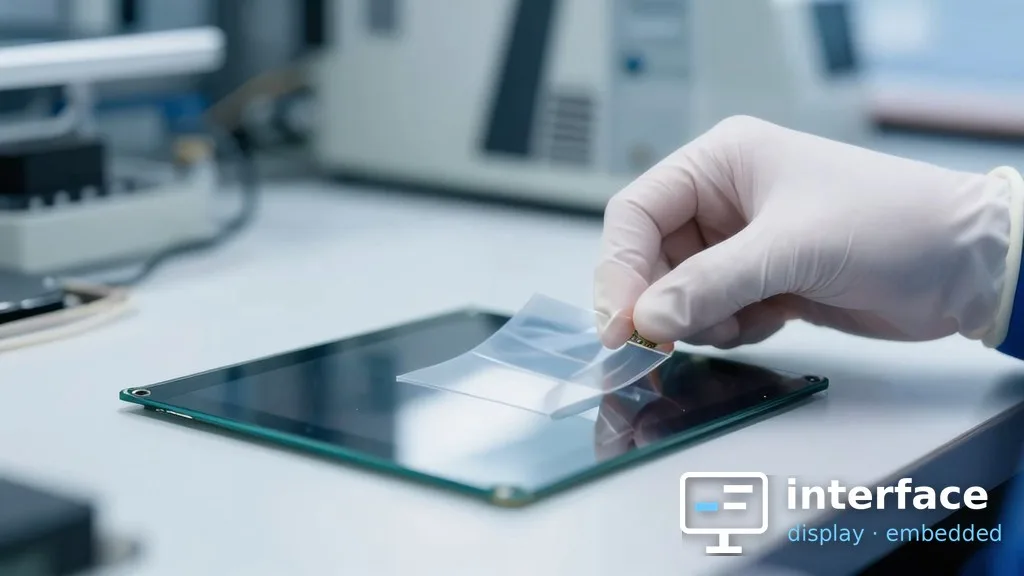
Gloved hands laminating a clear adhesive film onto a small glass touch panel on a workbench
Interface, Display & Embedded

Touch panel maker Reshine Display has published a guide comparing three ways of joining cover glass, touch sensor and LCD in industrial HMI and IPC designs: air (frame) bonding, solid OCA optical bonding and liquid LOCA bonding. The company uses the guide, dated 20 April 2026 on its website, to introduce a new 7-inch fully bonded touchscreen assembly aimed at industrial HMI use.

The article is written by the vendor and promotes its own products. Performance figures and recommendations below are Reshine Display's claims and have not been independently verified.

Three bonding methods, as the vendor describes them

In air bonding, according to Reshine, double-sided foam or acrylic tape fixes only the edges of the cover glass or touch sensor to the LCD bezel. This leaves an air gap of 0.5 to 1.0 mm between the active surfaces. The company calls it the cheapest and most common method, but says the gap weakens optical and mechanical performance in factory conditions.

OCA bonding uses a pre-cut solid adhesive film with a refractive index of roughly 1.5, close to that of glass. The film is laminated between the layers under controlled pressure and temperature, removing the air gap altogether. Reshine presents this as the default choice for most industrial HMIs.

LOCA bonding replaces the film with a liquid resin. The resin is dispensed onto the LCD, the cover glass is aligned on top and the bond is cured with UV light. The vendor says LOCA fills gaps better than OCA, which suits irregular, curved or large-format panels of 15 inches and up. It adds that the process needs tighter control to prevent bubbles and uneven curing.

Recommendations and the 7-inch assembly

Reshine limits air bonding to undemanding indoor applications, such as climate-controlled, dust-free control rooms without direct sunlight, products with a lifecycle of three years or less, or designs where cost is the main driver. OCA is its recommendation for factory floors, CNC controllers, semi-outdoor stations and designs that need a service life of five years or more. It reserves LOCA for curved, custom-shaped or large-format interfaces.

According to the company, the new 7-inch assembly uses OCA material and reaches 92 percent total light transmittance. It is specified for IP65 protection and an operating range of -20 to 70 °C. Reshine says the part is in stock for sampling, that it sets no minimum order quantity for prototypes and small batches, and that size, interface and surface treatment can be customised. It also cites ISO 9001:2015 and SGS-certified manufacturing processes and 100 percent inspection of bonded assemblies.

The vendor further claims that saving around 50 dollars per unit with air bonding can lead to replacement costs of 500 dollars or more when a screen fails early. The guide gives no data to support that figure.

What it means for OEMs

For machine builders and HMI designers, the guide is a reminder that the bonding method is a design-in decision. It affects sunlight readability, sealing and expected service life, and it should be fixed early in the specification rather than left to the panel supplier.

The no-MOQ sampling offer may lower the barrier to evaluating a bonded 7-inch part. Before qualification, however, buyers should request test reports behind the transmittance, IP65 and temperature claims. They should also clarify lifecycle and long-term availability commitments and check how the supplier's quality certifications relate to their own certification requirements. The vendor's warning that poor OCA material or lamination can cause bubbles, delamination and yellowing also argues for asking about material sourcing and ageing tests.

Source Reshine Display

The illustration was generated with AI and is not a photograph of the product or event. How we work.

More news for design engineers