Nippon Seiki agrees to acquire Denso's head-up display business

25 November 2026 · Independent analysis by the IDE editorial team

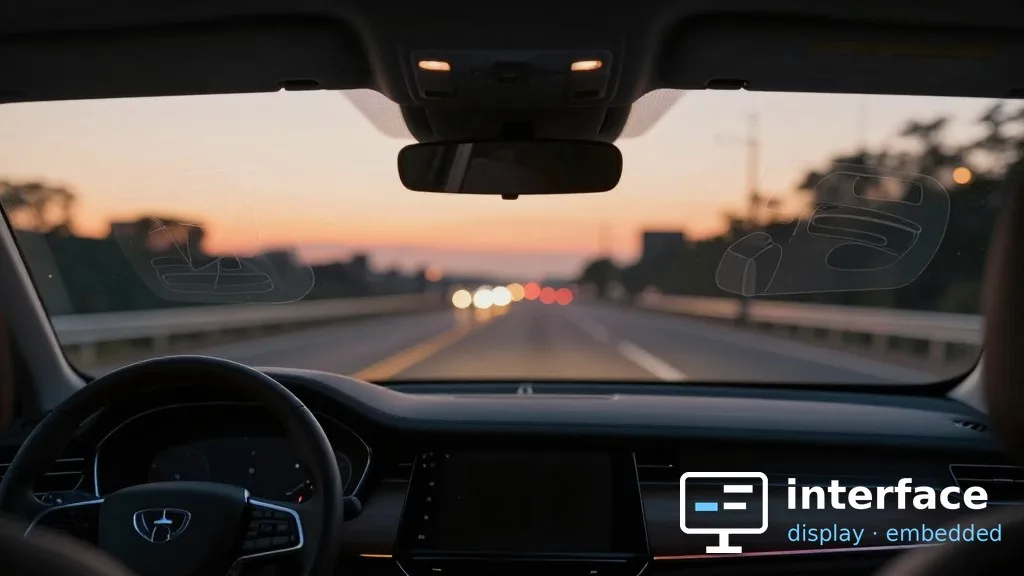
Driver's view through a car windscreen at dusk with a faint projected display overlay
Interface, Display & Embedded

Japanese automotive component maker Nippon Seiki has reached an agreement to buy the head-up display (HUD) business of Denso. The deal covers HUD R&D, production and sales operations across Japan, China, Spain, Mexico and the United States.

The Denso unit designs, builds and sells HUDs that project information such as vehicle speed, navigation guidance, fuel level and traffic signs onto the windscreen, so the driver can see it without looking down at the instrument cluster.

According to Nippon Seiki, combining Denso's HUD technology and manufacturing know-how with its own engineering and production base is intended to streamline its development and manufacturing setup, create a stable global supply structure and improve its cost position.

What changes hands, and what does not

Nippon Seiki will acquire the production equipment and the associated intellectual property. Denso Group's officers and employees, as well as its land and buildings, are not part of the deal.

Customer relationships will move to Nippon Seiki step by step, and each transfer requires the agreement of the customer concerned. Production sites will likewise be handed over gradually, as Nippon Seiki builds up the necessary infrastructure; once that is done, its own group personnel will run operations. Until then, Nippon Seiki will have Denso keep manufacturing on an outsourced basis, with the stated aim of avoiding supply interruptions.

Price, financing and approvals

The assets in scope had a value of 1.16 billion yen (about 7.2 million US dollars) as of 31 March 2026. The purchase price itself is confidential under an agreement between the two companies. Nippon Seiki has said only that it will be below 1% of its consolidated net assets for the fiscal year ending March 2026, and that the figure is based on projected cash flows of the HUD business. Payment will be in cash from the buyer's own funds.

The acquisition depends on clearance by the Japan Fair Trade Commission, other required regulatory approvals and customer consent. The targeted closing date is 26 February 2027.

What it means for OEMs

For vehicle makers and tier-one suppliers that currently source HUDs from Denso, the deal implies a change of supplier during a phased transition. Because each customer must approve the transfer of its relationship, buyers will have a say, but should expect to review contracts, supplier qualification and change-notification processes as programmes move to Nippon Seiki.

The outsourced production arrangement with Denso is meant to keep parts flowing in the interim, yet manufacturing will eventually shift to Nippon Seiki-run sites and staff, as Denso personnel and buildings stay outside the deal. Purchasers may want to clarify which sites will build their parts after handover, whether any requalification or re-validation is required, and how long-term supply and spare-part commitments carry over. No timeline for the individual site transfers has been disclosed.

Source Just Auto

The illustration was generated with AI and is not a photograph of the product or event. How we work.

More news for design engineers