Nedschroef Machinery replaces Pro-face HMIs with web-based WebIQ interface

25 November 2026 · Independent analysis by the IDE editorial team
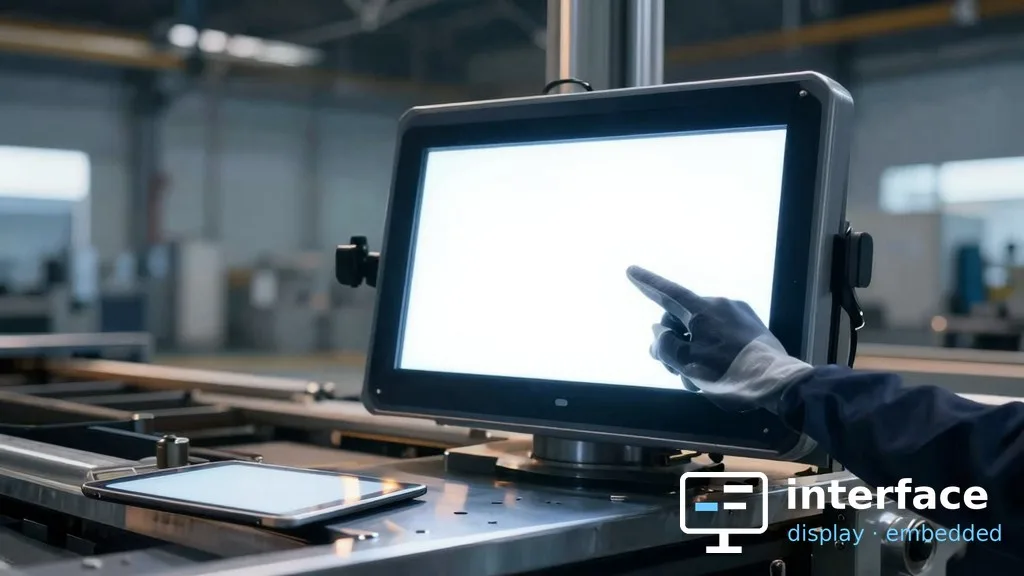
Gloved hand operating a touchscreen panel on an industrial metal forming machine in a factory
Interface, Display & Embedded

Nedschroef Machinery, which builds cold and warm metal forming machines, has replaced its machine HMIs with a web-based interface developed on the WebIQ framework. That is according to a case study published by Smart HMI, the WebIQ developer, which describes itself as a Beijer Electronics company. The case study carries no publication date.

The new operator panel is a 19-inch multi-touch interface. Because it is built on web technologies, Smart HMI says it can be opened in any modern browser on a desktop, tablet or smartphone, which lets operators, technicians and engineers monitor and interact with machines remotely.

Moving off a decade-old HMI platform

According to the case study, Nedschroef Machinery ran Pro-face-based HMIs on its forming machines for more than ten years. Smart HMI describes those systems as reliable, but says the hardware was ageing, the software was limited, and the setup lacked the flexibility needed for digitalisation and Industry 4.0 projects.

The development was carried out jointly. Engineers from both companies worked with end users through interviews, creative workshops and usability testing, the vendor says. Koen Heylen, Automation Engineer at Nedschroef Machinery, is cited as saying that working closely with the Smart HMI developers, combined with learning on the job, has put his team in a position to build and maintain its own web-based HMIs.

Functions listed in the case study

Smart HMI lists several features of the new interface. Alarms are categorised and supported by visual troubleshooting aids and a note-taking function, which the vendor says improves traceability and cuts downtime. Operators can store, view and annotate product configurations to speed up setup and changeovers, and step-by-step wizards are intended to shorten setup time and reduce operator errors.

Manuals, technical drawings and, as an option, live camera feeds can be opened directly from the HMI. According to Smart HMI, the modular structure also allows further functions to be added later, with predictive maintenance and video-assisted diagnostics named as examples. The case study does not say whether these have already been implemented. It also gives no figures on downtime reduction, setup time savings or project duration.

What it means for OEMs

For machine builders with installed bases on ageing proprietary HMI hardware, the case illustrates one migration path: moving the visualisation layer to browser-based technology so it is less tied to a specific panel. That can reduce dependence on a single hardware vendor and its end-of-life cycle, although the case study does not state which hardware runs the new HMI or how the controller connection is handled.

The emphasis on knowledge transfer is also relevant. Nedschroef says it can now maintain the HMI itself, which affects long-term support costs and in-house engineering capacity. OEMs considering remote access via browsers and mobile devices should, however, factor in network security and the cybersecurity requirements that apply to connected machinery; the case study does not address these points. Performance and efficiency benefits are vendor claims and have not been independently quantified.

Source Smart HMI

The illustration was generated with AI and is not a photograph of the product or event. How we work.

More news for design engineers